No Account Casino UK: What the Label Means
 Available in GB

A practical look at simplified sign-up, player records, UK remote-play rules and the payment and bonus conditions that can shape the experience.
Table of Contents
- What “No Account” Really Means at a Casino
- The UK Rules Behind Remote Casino Play
- How to Judge an Online Casino Without Relying on the “No Account” Label
- Bonus Terms Worth Checking Before You Opt In
- Playing for Real Money on Mobile: Deposits and Withdrawals
- Can You Gamble Without an Account—and What Happens at Cash-Out?
- Checking a Newly Launched Casino Before You Play
- Free Spins and No-Deposit Offers: Read the Conditions First
- Trustly and the Difference Between Depositing and Withdrawing
- Paysafecard: Check the Payment Route, Not Just the Deposit Option
What “No Account” Really Means at a Casino
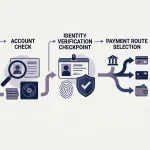
“No account” sounds like a clear promise: open a casino, choose a game and play without registering. In practice, the label can describe a shorter entry process rather than the complete absence of an account. The distinction matters. A site may let you begin with fewer steps, or use details connected to a payment method to set up play, while still keeping a player record behind the scenes.
That is the first thing I’d keep in mind when comparing a no-account casino with a conventional one: the phrase is about how the journey is presented, not necessarily what information the operator holds. “No form to fill in” and “no account exists” are not the same claim. Nor does a quick route into the games, by itself, mean that play is anonymous.
A quicker route is not necessarily an account-free one
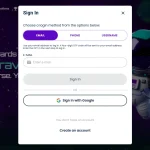
A conventional registration flow asks you to provide details and create access credentials before you can play. A simplified flow may reduce the visible sign-up work, or use information associated with a payment route instead of asking you to type everything in at the start. From your side, that can feel like skipping registration.
When considering no-account casinos in the UK, payout timing is one practical detail to keep in view. Use these verdicts as a starting point, and check the terms that matter to you before choosing.
1. Chanze
Payout speed: 1-3 business days Chanze lists a payout speed of 1–3 business days. That gives you a stated timeframe to consider when reviewing the operator.
2. WinBeast
Payout speed: 1-3 business days WinBeast lists payouts as taking 1–3 business days. You can use that timeframe as one point of reference.
3. NightWin
Payout speed: 1-3 business days NightWin has a stated payout speed of 1–3 business days. This is the available practical detail for your consideration.
4. NightLuck
Payout speed: 1-3 business days NightLuck lists a payout timeframe of 1–3 business days. Keep that stated timing in mind when assessing whether it suits you.
5. Jetsetspins
Payout speed: 1-3 business days Jetsetspins gives a payout speed of 1–3 business days. This provides a clear timeframe to consider.
6. SpinFormula
Payout speed: 1-3 business days SpinFormula lists payouts at 1–3 business days. You can take this stated timeframe into account when reviewing the operator.
7. Revery Play
Payout speed: 1-3 business days Revery Play has a stated payout speed of 1–3 business days. That is the specific detail available to help inform your choice.
8. BeOnBet
Payout speed: 1-3 business days BeOnBet lists a payout timeframe of 1–3 business days. Consider this timing alongside the other terms that matter to you.
9. EvoSpin
Payout speed: 1-3 business days EvoSpin gives a payout speed of 1–3 business days. This stated timing is a useful point of reference for you.
10. Britsino
Payout speed: 1-3 business days Britsino lists payouts as taking 1–3 business days. You can use that timeframe as one factor in your assessment.
But a shorter form does not tell you what is happening in the background. The operator may still associate your activity with a player profile or transaction record. You might also be asked for details later, particularly if the operator needs to resolve a question about identity or who owns the payment method before a withdrawal. So “I didn’t create a password” is not proof that no player record exists.
This is where the wording gets slippery. Some people use “no account” to mean no traditional sign-up screen. Others mean no stored personal details, no checks, or genuinely anonymous gambling. Those are different expectations. The label alone does not tell you which one a particular site is offering.
What the phrase does not promise
It does not promise that you can play without giving any personal information. It does not promise that you will never be asked to confirm details. And it does not guarantee that the same route will work for every player or every activity on the site.
It is also not a reliable description of what happens from start to finish. You may enter the casino quickly and still face a later request to clarify account or payment information. That can be an unwelcome surprise if you assumed “no account” meant no follow-up. Better to treat the wording as a description of the initial experience, unless the operator explains more.
I’d be wary of reading “anonymous” into the phrase, too. Anonymous gambling would mean more than a tidy entry screen. It would imply that your identity and payment ownership could never become relevant. That is not something the words “no account” establish.
Non-Gamban Casinos in the UK: What the Label Means
Read the promise in plain English
When a site uses the label, translate it into a more precise question: what does it let me avoid doing at the start? Look for an explanation of how access works and what information may still be requested. If the wording only says “play without registering” but offers no clear account of what that means, don’t fill in the gaps with the most generous interpretation.
The same applies to an app. An app can make access feel seamless, but it does not change what “no account” means. A saved session, a quick sign-in route or a payment-linked process may remove friction without making the player anonymous. The screen can be simple; the underlying arrangement may not be.
There is no need to treat the label as automatically misleading. It may accurately describe a faster way to get started. The useful question is whether that is all you wanted, or whether you expected something stronger. If you want less form-filling, a simplified route may suit that preference. If you want to avoid identity or payment questions altogether, the label cannot safely be taken as a guarantee.
That distinction is easy to miss when the promise is packaged as a feature. A casino can make the first few steps feel light, while leaving the important boundaries unexplained. I’d judge the wording by what it says plainly, not by what the name seems to imply. “No account” may mean fewer hurdles at the door. It does not, on its own, tell you what happens once you are inside.
Attention: The phrase “no account” often describes a simplified initial experience rather than a guarantee of complete anonymity or the absence of a player record.
The UK Rules Behind Remote Casino Play
The phrase “no account” can make a casino sound as if it sits outside the usual rules. It does not. In Great Britain, remote gambling is regulated by the UK Gambling Commission, and a business taking casino play from customers there needs the relevant Commission licence. That remains true if its offices, servers or other key equipment are somewhere else. The location of the machinery does not change who the service is being offered to.
The Gambling Commission is the sole regulator for commercial gambling in Great Britain. It oversees gambling activity, including online casinos, and its role is not limited to checking a brand’s website. The law separates permissions for businesses from permissions for people: the Commission issues operating licences to businesses and personal licences to individuals who work in relevant operating roles. Those are different forms of authorisation, not interchangeable badges.
That distinction is useful when you see a claim that a casino is “licensed”. A company’s operating permission is the relevant starting point for the service; an individual’s personal licence concerns a person working in the sector. A vague claim does not tell you which one is meant. The detail matters. Names matter.
There is a UK-wide wrinkle. The Gambling Commission regulates gambling activity across the United Kingdom, including online casinos, while its remote-gambling licensing requirement is framed around services offered to consumers in Great Britain. The Gambling Act 2005 applies in England, Wales and Scotland; Northern Ireland is outside that Act. So do not assume that a reference to “UK rules” means every part of the country is governed by the same legislation in precisely the same way.
For a casino serving customers in Great Britain, the practical point is straightforward: it needs the relevant UK Gambling Commission operating licence. This is not optional because the company is based abroad, nor does a quick entry route turn the service into something other than remote gambling. The licence requirement attaches to the operator’s offer to consumers in Great Britain.
Non-UK Regulated Casinos: What UK Players Should Know
Age checks are part of that regulated experience, even when the sign-up looks unusually light. Online gambling is legal for adults aged eighteen and over when it is offered by a UKGC-licensed operator. Licensed casinos must verify a customer’s age before allowing a deposit, and they are also required to verify identity. A short form or an initial payment flow should not be read as proof that those checks have disappeared. They may arise at a different point in the customer journey.
That is why “no account needed” is not a useful test of whether a casino is operating within the rules. The label describes a claimed way of entering or using a service; it does not replace the operator’s legal obligations. A player can encounter fewer visible steps at the start and still be asked to establish who they are as part of the regulated process.
I would keep the question simple: is the business authorised to offer remote gambling to people in Great Britain? That is a more useful starting point than whether its homepage promises instant play or asks for very little information. A polished site and a familiar payment screen are not regulatory permissions.
Non-UK Licence Casinos: What the Licence Means
The rule is about the operator, not a special category of account-free casino. If a business takes real-money remote casino play from customers in Great Britain, it needs the relevant Commission licence. The Commission also licenses individuals working in relevant roles, but that does not substitute for the company’s operating authorisation.
So the basic framework is not mysterious: the regulator is the UK Gambling Commission; the business needs the appropriate operating permission; and age and identity checks remain part of licensed play. A fast first step may change what you see on screen. It cannot make the underlying rules vanish.
How to Judge an Online Casino Without Relying on the “No Account” Label
The “no account” wording tells you very little about the quality or legitimacy of the casino behind it. I would treat it as a description of the sign-up experience, not as evidence that the site is trustworthy. Before looking at how quickly you can get to a game, check who is offering it and whether that business is authorised to serve players in Great Britain.
Start with the operator, not the sales pitch
Find the company name behind the website. It may appear in the footer, terms and conditions or privacy notice, and it may differ from the casino’s brand. Then look up that company in the UK Gambling Commission’s public register. Check that the entry relates to remote casino gambling and that the listed business matches the operator named on the site.
Non-GamStop European Casinos: UK Exclusion Rules
Do not stop at a logo or a sentence claiming that a casino is “licensed”. Those are statements made by the operator; the register is the place to check the status for yourself. The business name, brand and web address should make sense together. If the site gives no clear operator identity, or the details do not line up, pause rather than filling in the gaps yourself.
A specialist review reporting a check of the Commission’s public register dated 26 September 2026 said it found no LuckyPays entry under that brand or its stated domain, including luckypays.io. That is a dated finding, not a permanent verdict on every name a site might use. It does show why it is worth checking the current register rather than relying on a review, a badge or an old page.
A UKGC-licensed operator serving Great Britain is accountable within the local regulatory system. If the register does not support the site’s claim, do not treat a “no account” offer as a substitute for that check. A smooth first screen is easy to build. Regulatory status is the part to verify.
Read the site as a whole
Once the operator’s status is clear, look at the rest of the site with the same care. The terms should identify the business responsible for the service and explain the conditions that apply to play. The privacy notice should make clear how personal information is handled. These pages can be dull, but vague or missing information is useful information of its own.
Do
- Check the operator’s name in the UKGC public register
- Verify that the business name matches the site
- Read the privacy notice and full terms
Don’t
- Rely on a logo or a claim of being “licensed”
- Assume a smooth first screen proves legitimacy
- Fill in missing identity details with assumptions
Check whether the site explains how to contact the operator and how to raise a complaint. Look for account controls and safer-gambling information that are easy to find, not buried behind promotional banners. A tidy layout is pleasant; it is not proof of fair treatment. I would rather see plain, consistent information than a page full of confident claims and no clear route to the people running it.
Pay attention to whether the site’s wording stays consistent. Does the brand name match across the homepage, terms and support pages? Does the operator named in the terms correspond to the business on the register? If one page describes a different company or sends you elsewhere without explaining the relationship, take that seriously. Don’t assume it is a harmless technical detail.
Test the experience before committing
You can inspect much of a casino without depositing or handing over more information than necessary. Browse the help pages and terms first. See whether the site explains its rules in ordinary language, whether the links work, and whether essential information is accessible on a phone as well as a desktop. A slick landing page cannot make unclear rules clearer.
If a site offers a free-play area, remember that this is not the same as a real-money service. It may let you explore some games, but it does not establish who operates the gambling service or what conditions would apply to real-money play. Treat it as a preview, not a trust mark.
The phrase “best no account casino” is not a useful test by itself. A ranking may be based on factors that matter to someone else, or may not explain its criteria. Use any comparison as a starting point, then check the operator and the site directly. You are choosing a service, not just a label.
Non-GamStop Curaçao casino sites: claims explained
My quick test is simple: can I identify the operator, confirm its relevant status independently, and understand the site’s key terms without detective work? If not, I stop there. No clever shortcut needed.
Bonus Terms Worth Checking Before You Opt In
A bonus can look straightforward on its headline and become less attractive once you open the terms. The key is to check what the offer asks you to wager, which games it covers, and what happens to any winnings before you opt in. That applies whether a site calls it a no-account casino bonus, a deposit bonus or something else; the label does not tell you how the conditions work.
A specialist review describing the 2026 rule change reports that, from 19 January 2026, UK Gambling Commission rules cap wagering requirements on bonus funds at ten times for incentives aimed at Great Britain. Treat that as a specific regulatory change, not a promise that every offer will be easy to clear. A cap sets an upper boundary; it does not remove the need to read the offer’s own conditions.
Read the wagering requirement carefully
Wagering requirements describe how much qualifying play is required before bonus funds, or winnings linked to them, can be withdrawn. Check the exact wording in the live offer terms. In particular, establish whether the requirement applies to the bonus funds alone or is framed differently, and whether the operator says certain games count towards it. Don’t assume every game contributes in the same way—or contributes at all.
From 19 January 2026, UK Gambling Commission rules cap wagering requirements on bonus funds at ten times for incentives aimed at Great Britain.
The ten-times ceiling is about wagering requirements on bonus funds. It is not a statement about how much you can win, how long an offer remains available, or whether a particular game is eligible. Those details need to be stated separately in the promotion’s terms. If the headline is clear but the calculation is not, pause before accepting. A bonus is optional; confusion is not a reason to rush.
Also look for any maximum-win condition. For a UK-facing offer, that information and the wagering terms must be visible within one click of the bonus offer. If you have to hunt through unrelated pages to work out what applies, you have not yet got a clear picture of the deal. Keep the offer page and its linked terms together while you read; a short headline rarely contains the conditions that decide whether the bonus suits you.
Check that the incentive is for one product type
A single incentive cannot combine more than one gambling product type. In practice, read the offer as a defined promotion, rather than assuming that one reward can cover several kinds of gambling activity. If its wording appears to bundle different product types into one incentive, check the official terms carefully before opting in. The restriction concerns how the incentive is structured; it does not mean that every offer has identical conditions.
This matters when promotional wording is broad. A banner may make an offer sound as though it applies across the site, while the terms describe a narrower scope. The actual offer conditions are the useful part. Make sure you can tell which product the incentive relates to and what activity counts towards its wagering requirement.
A quick check before you accept
Before activating any bonus, read the live official terms and make sure you can answer these points:
- What wagering requirement applies to the bonus funds?
- Which games are eligible, and how does play on them count?
- Is there a maximum-win condition, and can you see it within one click of the offer?
- What product type does the incentive cover?
- What conditions apply to withdrawing funds connected with the promotion?
If an answer is missing or unclear, don’t fill the gap with assumptions based on another casino’s offer. Terms can differ between promotions, even when the headlines sound alike. The same caution applies to a no-account casino deposit bonus: a quick route into play does not make the promotion’s conditions any less important.
Keep your decision simple. Compare the written terms with the offer you are actually being shown, not with a remembered headline or a description elsewhere. If you opt in, do so only once you understand the requirement and the scope of the incentive. A bonus that you cannot assess clearly is not a bargain. Just a headline.
Playing for Real Money on Mobile: Deposits and Withdrawals
Using your phone to make a deposit and receiving winnings on it are separate things. Pay by mobile can let you fund play through a phone-billing service, but it is a deposit-only route: a withdrawal cannot be credited back to your phone bill. Before choosing it, check the cashier for the methods available to put money in and, separately, those offered for taking money out.
A specialist payment-method review reports a monthly ceiling of £240 for carrier billing. Treat that as a reported limit, not a promise that every provider or casino will let you deposit that much. The amount available to you may depend on the payment service and the operator’s own rules, so read the current cashier details before you rely on phone billing.
That distinction matters if you are looking at a mobile casino for real-money play. A deposit button on a small screen tells you how money can go in; it does not tell you how a successful withdrawal will be paid. UKGC-licensed sites must provide a way to process withdrawals using another method, such as a bank transfer, debit card or regulated e-wallet. Check that the alternative suits you before depositing, rather than finding out when you want to cash out.
On a phone, the cashier can be easy to skim past. I take a moment to look for the withdrawal options, not just the prominent deposit methods. If the site lists pay by mobile but gives no clear account of how withdrawals are handled, pause and check its published payment information or ask the operator. A payment route should be clear before you use it.
Phone billing may suit someone who wants to make a deposit from a mobile device, but it is not a complete money-in-and-money-out option. Keep that in mind when comparing mobile payment choices, and do not assume that a method accepted for deposits will also be available for withdrawals. The two sides of the cashier are not interchangeable.
Can You Gamble Without an Account—and What Happens at Cash-Out?
The appeal is easy to understand: you want to get to the game without filling in a long registration form. A payment-led route can feel close to playing without an account, especially if it takes you straight into the casino. But a shorter start does not mean the operator has no way to connect play to you.
The important test is what happens when you want to withdraw. Before releasing winnings, an operator may ask questions about your identity or whether the payment method belongs to you. That can happen even if the first part of the experience felt account-free. Cash-out is where the difference between a quick entry and a genuinely anonymous service becomes hard to ignore.
No ID Verification Withdrawal Casinos in the UK
I would not treat a smooth deposit as proof that the money can be withdrawn without further checks. Nor would I assume that a payment route accepted at the start settles every question later. If the operator needs to establish who is requesting the withdrawal or who owns the payment method, the process may pause while those details are checked.
Before you play, look for a clear explanation of how withdrawals work and what checks may be needed. If the site’s wording promises “no account” but says little about cashing out, take the promise narrowly: it may describe the initial journey, not every stage. Read the operator’s own terms rather than relying on a short banner or payment logo.
There is a practical choice here. If avoiding a conventional account is your priority, decide whether that convenience is worth the possibility of questions later. If you would rather know what to expect before depositing, choose a service that explains its withdrawal process plainly. Either way, keep the payment method in your own name and make sure you can access it when a withdrawal is due.
Withdrawal Process
A fast start is not a guarantee of an anonymous cash-out, as identity checks often occur at the withdrawal stage.
A fast start is not a blank cheque for an anonymous cash-out. The withdrawal stage can bring the checks back into view. That is the bit worth understanding before you play.
Checking a Newly Launched Casino Before You Play
A fresh name can look polished before you know much about the business behind it. That matters with a newly launched casino advertising quick entry: the “no account” label tells you nothing about whether the operator is authorised to serve players in Great Britain. Remote operators selling into this market need the relevant Gambling Commission licence, wherever their equipment is based.
I’d treat the licence check as a first step, not a box to tick after depositing. Search the UK Gambling Commission’s public register using the casino’s name and the business name shown in its terms. Check that the entry actually relates to the site you have open; a similar brand name is not enough. If the operator’s identity or licence details are hard to find, pause rather than trying to make the pieces fit.
There is a useful dated warning here. An affiliate review’s report of the UK Gambling Commission public register, dated 26 September 2026, said it found no LuckyPays entry under that brand or its stated domain, including luckypays.io. That describes what the report said about the register on that date. It is not a permanent finding about every later version of the site, so check the current register yourself before relying on it.
A new brand may have little history for you to assess, but the register is still a concrete place to start. Compare the operator details on the site with the register rather than relying on a logo, a social post or a claim that the casino is “UK friendly”. If the name and domain do not line up clearly, don’t treat that as a minor paperwork snag. Stop and verify.
This is especially worth doing when a site presents itself as a new no-account casino. A short route into the games does not replace the operator’s obligation to hold the right licence. Nor does a confident-looking launch page prove that it does. Check the current record, make sure it refers to the business and site in front of you, and only then decide whether to continue.
New names deserve one extra pause. Do it before you play.
Free Spins and No-Deposit Offers: Read the Conditions First
A no-deposit offer can look straightforward: spins on selected slots, or a small credit bonus, with no initial payment required. The headline is only the starting point. Before you opt in, check the current promotion on the casino’s own site and read the terms attached to it.
One specialist casino review describes no-deposit spin offers as commonly falling between 10 and 30 spins, restricted to nominated slots. The same review puts no-deposit credit offers at £2–£10, with wagering requirements often stated as 30–60 times the bonus. Treat those figures as that review’s snapshot, not a promise about what you will find at any particular casino. Promotions change, and a label can stay visible after its conditions have changed.
Claiming No-Deposit Offers
- Check eligibility and registration requirements
- Confirm the expiry date of spins or credit
- Identify the wagering requirements
- Check for maximum withdrawal limits
- Verify that the promotion is still live
Start with eligibility. The terms may restrict who can claim the offer, or say that you must register in a particular way. Then check the expiry: confirm when the spins or credit must be used, rather than assuming they will remain available in your account.
Next, look at wagering and cash-out conditions. Find out what must be wagered, which games count, and whether a maximum withdrawal or other restriction applies. A bonus balance is not the same as withdrawable cash; the route from one to the other is set by the offer’s terms.
I would also check that the promotion is still live and that its full conditions are accessible from the offer itself. If the details are vague, or the terms do not match the headline, leave it alone. Free is not a condition.
Trustly and the Difference Between Depositing and Withdrawing
Seeing Trustly in a casino’s deposit menu tells you that it can be used to fund play; it does not tell you how winnings will be paid out. Deposit and withdrawal options are separate decisions for the operator, so don’t assume the same route works in both directions.
Before making a deposit, open the cashier’s withdrawal area as well. Look for the methods actually offered for cashing out, and read any notes attached to them. If the information is unclear, ask the operator before sending money in. A familiar payment logo is not a promise that the casino will return funds through that same service.
That matters if you are considering a Trustly casino with a quick-entry or “no account” feel. The payment route may make the first step look simple, but it does not settle the practical question of how a withdrawal will reach you. I’d check that part first, not after a win.
For UKGC-licensed sites, withdrawals must be processed through an alternative method, such as a bank transfer, debit card or regulated e-wallet. Which option is available depends on the site, so check its own cashier information rather than relying on a general description of Trustly.
Non-UKGC Licensed Casinos: What UK Players Should Know
Keep the distinction plain: a deposit option shows how you may pay in; the withdrawal options show how you can get money out. If Trustly appears only on the deposit side, treat it as deposit-only for that casino unless the operator clearly confirms otherwise. No guesswork needed.
Paysafecard: Check the Payment Route, Not Just the Deposit Option
Seeing Paysafecard at checkout tells you that it may be offered for deposits at that casino. It does not tell you how a withdrawal will be handled. Those are separate parts of the payment route, so check the cash-out options before you pay in rather than assuming the same method works both ways.
This matters if you are looking for a no-account casino experience. A quick deposit does not settle every question about who funded the play or where a payout can go. Before a withdrawal, the operator may ask you to confirm your identity or show that the payment method belongs to you. A Paysafecard deposit does not remove the possibility of those checks.
I would look for a clear explanation in the casino’s payment and withdrawal information: which routes are available for cashing out, what details you may need to provide, and whether the operator explains how it handles a deposit made with Paysafecard. If the information only shows a deposit logo, that answers only half the question. Not much use at cash-out.
Do not assume that a method is available for withdrawals just because it appears on the cashier page. The cashier may distinguish deposits from withdrawals, or direct you to another route. Read the relevant terms and contact the operator before depositing if the route is unclear. Keep the confirmation of your transaction, too; it can help you identify what you used if a payment-ownership question comes up later.
The useful test is simple: can you tell, before paying, how a withdrawal would work? If not, pause and get a direct answer. Paysafecard’s presence alone is not a promise about the casino’s cash-out process.
Can you withdraw to your phone bill when paying by mobile?
No. Pay-by-mobile is for deposits only; withdrawals must be made using another method, such as a bank transfer, debit card or regulated e-wallet.
Is LuckyPays licensed by the UK Gambling Commission?
The UK Gambling Commission’s public register dated 26 September 2026 does not list LuckyPays under that brand or its stated domain, luckypays.io.
What is the maximum wagering requirement in Great Britain?
From 19 January 2026, wagering requirements on bonus funds are capped at 10 times in Great Britain.
Casinos

Anjouan Casino Licence and UK Rules Explained
An Anjouan authorisation is not a substitute for a UK Gambling Commission licence when gambling...

Casino Apps UK: App vs Mobile Browser Play
Learn how app and browser access differ, and what to check when managing money, games,...

Foreign casinos for UK players: licensing explained
A foreign casino may accept British customers without holding a UKGC licence; its terms, payment...

International Casinos for UK Players: What to Know
The guide explains how UKGC licensing differs from offshore status and what to consider when...

Mobile casino deposits by phone credit in the UK
Phone-credit deposits are billed through a mobile account, with the charge handled differently on contract...

Offshore casino sites for UK players: what to know
A guide to licensing, payments, verification and the limits of offshore casino comparisons for UK...

Offshore Casinos for UK Players: Rules and Risks
An offshore site may accept British customers without holding the UKGC authorisation required to offer...

British Casinos Not on GamStop: What to Check
GamStop participation is required for UKGC-licensed operators, while sites outside that framework need separate scrutiny....

Casino Sites Not Registered with GamStop in the UK
The label describes exclusion coverage, not a guarantee of licensing, protections, payment options or suitability....

Non-UK Licence Casinos: What the Licence Means
Licensing jurisdiction shapes regulatory oversight, but the label alone does not establish the safeguards or...

Casino no ID verification in the UK: what it means
A quick sign-up does not remove age and identity checks, which may be requested at...

Casino Without a UK Licence: What It Means
A UKGC licence is distinct from an overseas licence, with implications for player protections, payments,...

Casinos That Bypass GamStop: What UK Players Should Know
GamStop applies to UKGC-licensed operators, while casinos outside that network may not offer the same...

Curaçao Casino Licence in the UK: What It Means
A Curaçao label points to a licensing jurisdiction, not necessarily where a casino operates or...

Gibraltar Casino Licence for UK Players: Key Checks
A Gibraltar label does not settle which rules apply; licensing, account terms and support arrangements...

Merkur Casino Online UK: Games, Sites and Checks
Game information, casino listings, bonus terms and payment checks can help distinguish a Merkur title...

How to Assess the Most Trustworthy Online Casinos in the UK
A practical way to assess casino claims, from permission to serve Great Britain to the...

No ID Verification Withdrawal Casinos in the UK
UK rules require licensed casinos to check age and identity before gambling, while offshore sites...

Non-Gamban Casinos in the UK: What the Label Means
A site's absence from Gamban's coverage does not establish its safety, licensing or suitability, and...

Non-GamStop Curaçao casino sites: claims explained
This guide distinguishes Curaçao claims from UK licensing requirements and explains limits around self-exclusion, payments...

Non-GamStop European Casinos: UK Exclusion Rules
European branding does not establish a site's UK status; licensing and the scope of a...

Non-UK Registered Casinos: How Regulation Works
A foreign licence is not a UKGC licence; understanding who oversees a casino helps clarify...

Non-UK Regulated Casinos: What UK Players Should Know
The guide distinguishes an operator’s UK permission from an offshore licence and outlines potential differences...

Non-UKGC Licensed Casinos: What UK Players Should Know
A guide to UKGC oversight, offshore licensing, GamStop and the practical differences for people in...

Online Casino Malta MGA Licence in the UK: What It Means
The guide distinguishes Malta’s player-money safeguards from the separate requirement to be authorised for remote...

Online Casino No Registration UK: What It Means
Browser access can make games easy to open, but it does not remove account requirements...

Online Casinos With No Sister Sites in the UK
Learn how ownership and shared platforms can link casino brands, why similar design alone proves...

Online slots not on GamStop: how they work
GamStop applies at UK Gambling Commission-licensed operators; sites beyond that reach do not apply its...

Safe Online Casinos in the UK: Licence Checks
A practical guide to checking a casino’s UKGC status, business details, real-money terms, payment rules...

Online Casino Payouts in the UK: RTP Explained
RTP describes an average across relevant play, not a promise of what an individual session...

Trusted Casinos Not on GamStop UK: What to Check
A practical look at licensing, self-exclusion, payments, bonuses and the checks behind claims made by...

Trusted UK Casinos: How to Check a Licence
A practical guide to verifying operator authorisation and checking how bonuses, payment methods, apps and...

USA casinos for UK players: rules and risks
The guide explains the UK rules for overseas operators and the practical concerns around access,...

VPN-Friendly Casinos in the UK: What to Know
Understand how VPN access relates to casino terms, UK player protections, identity checks and payment...